


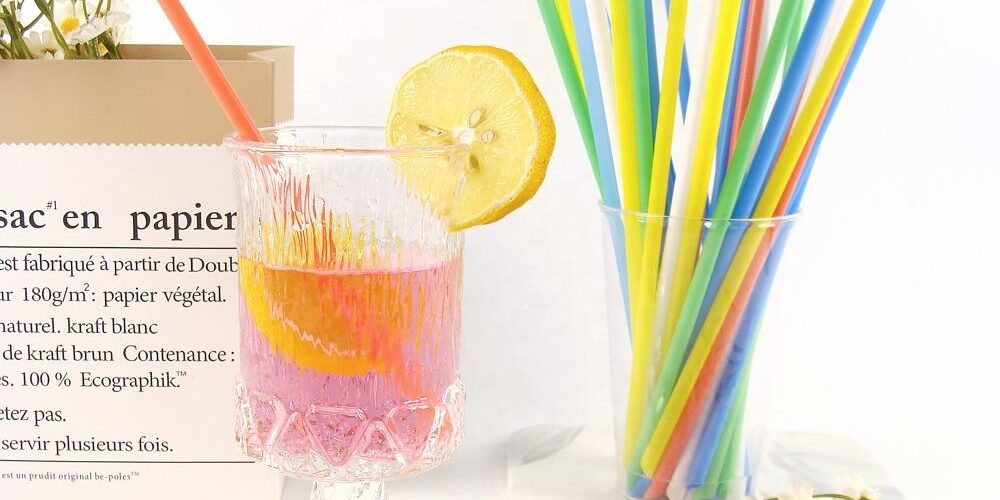
As businesses work to reduce their environmental footprint, choosing the right straw is an important decision. PLA straws and plastic straws each serve distinct purposes, and understanding their benefits can help foodservice providers balance eco-friendliness, cost, and usability.
Understanding PLA Straws
PLA (Polylactic Acid) straws are made from renewable resources like corn starch. They mimic the look and feel of traditional plastic straws but are fully compostable in industrial composting facilities. This makes them an excellent choice for businesses seeking to maintain quality while reducing environmental impact.
Comparing PLA and Plastic Straws
-
Durability: Plastic straws are highly durable and suitable for long drinks or cocktails. PLA straws are strong for a limited time but may soften in warm beverages if left too long.
-
Environmental Impact: Plastic straws persist in landfills for hundreds of years, while PLA straws decompose into natural components under industrial composting conditions.
-
Cost and Supply: Plastic straws are generally cheaper upfront, but PLA straws’ eco-friendly appeal can justify the investment. Wholesale sourcing helps manage cost for high-volume orders.
Partnering with reputable PLA Straw Manufacturers ensures quality, compliance with food safety standards, and scalable supply. For bulk orders, Straw Wholesale provides competitive pricing and efficient logistics.
Benefits for Businesses
Adopting PLA straws can enhance a brand’s sustainability image and appeal to eco-conscious customers. For cafés, restaurants, and hotels, this choice signals a commitment to environmental responsibility while still offering functional, attractive straws.
Conclusion
Choosing between PLA straws and plastic straws requires weighing durability, cost, and sustainability. By sourcing from trusted manufacturers and utilizing wholesale channels, businesses can find the eco-friendly balance that aligns with both operational needs and customer expectations.